

Being a Solo Practitioner and How IECs Can Build Real Community
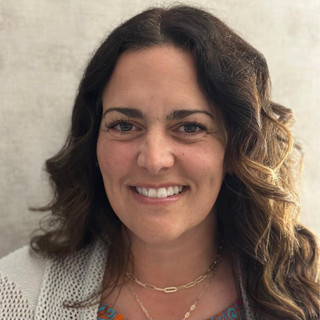
I'm getting excited for conference season! I'll be attending the IECA conference in Baltimore in a couple of weeks and have been on the planning committee for the HECA conference in Chicago in June. I can't wait to reconnect with colleagues and friends, old and new.

Being a solo practitioner has many upsides.
There’s freedom. Flexibility. The ability to build a business that reflects your values and the way you want to serve families. For many of us, that independence is part of what makes this work so meaningful. Never have to run something by the boss again? Golf every Friday morning? Heck yeah!
But it can also be lonely.
When you work for yourself, there isn’t always someone down the hall to bounce an idea off of. No built-in team meeting. No quick debrief after a hard call. No colleague is automatically there to say, “Yes, that family dynamic was a lot,” or “I’ve been there too.”
That’s one reason community matters so much in this field.
Some of what IECs can do for themselves and each other are simple:
build a small professional development circle
go on tours together
create space to talk through trends and challenges
make room for newer IECs who need guidance, encouragement, and a place to ask questions.

Sometimes the most valuable professional development isn’t another presentation. It’s a real conversation with people who understand the work.
I also think there’s something powerful about creating the kind of community you wish existed more often. Start the group. Invite someone on the tour. Reach out to the newer IEC. Be generous with what you’ve learned. This work gets better when we don’t do it in isolation.
And on that note, I’m especially grateful for my crew. The ones who brainstorm, debrief, share ideas, ask thoughtful questions, laugh, show up, and make this work feel lighter and more connected. This profession is better because of the collegiality, generosity, and friendship you bring to it, and I don’t take that for granted.
You may be a solo practitioner.
But you don’t have to do this alone.


Comments